Septic Tank Installation: Nitrogen-Reducing Septic Systems in Tallahassee FL
Springs-protection rules now ask for more than a plain tank and field in parts of Leon and Wakulla counties. We design and install nitrogen-reducing systems that meet them, and we tell you up front whether your lot needs one.
- Biofilter, aerobic and performance-based options
- Parcel check for springs rules
- Permit paperwork prepared
- Help finding county incentive info
✓ Licensed and insured. Many years in business serving the greater Tallahassee area.
Why these systems exist
Nitrogen from septic tanks feeds algae in springs. Wakulla Springs sits downstream from much of southern Leon County and eastern Wakulla County.
The state now requires nitrogen-reducing systems for new septic systems on lots of one acre or less in springs basins when sewer is not available (FDEP fact sheet). Existing systems in some basins have to upgrade when they are repaired, and all must meet the rules within 20 years of the basin plan (FDEP fact sheet).
The three approved types
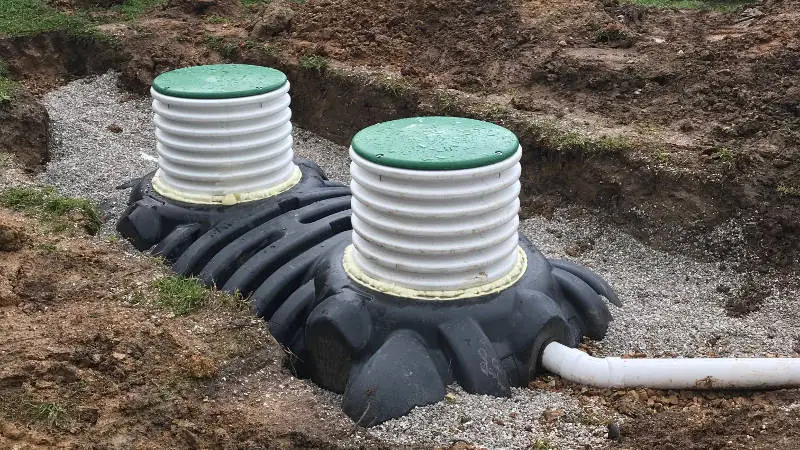
In-ground nitrogen-reducing biofilter
A passive system with a layer of media that treats wastewater before it reaches the drainfield. Needs more space.
Aerobic treatment unit (NSF 245)
A powered unit that adds air to the wastewater. It needs electricity and regular service.
Performance-based treatment system
An engineered system with a performance standard. These are rarer and need an operating permit and maintenance.
Source: FDEP fact sheet (the three types) and FSU study summary.
How we install one
- Check the parcel. We compare your lot to the springs-basin map, lot size and sewer availability.
- Pick the type. Soil, space, power and budget decide between biofilter, aerobic unit or performance-based system.
- Prepare the permit. The application names the treatment technology.
- Install. Tank, treatment unit and drainfield go in to the permit.
- Inspect and start up. The system is inspected and set up for service.
- Record the notice if required. Leon County's incentive program asks owners to record a notice about the advanced technology in the county's official records (county packet).
How to use the incentive
Leon County's Septic Upgrade Incentive Program paid up to $7,500 to eligible homeowners in the Wakulla Springs priority focus area. The homeowner hires a registered installer, the installer gets the permit, and the county reimburses eligible costs (county packet).
The program had a fixed pot of grant money, so check with Leon County for current status before you plan around it.
What can go wrong
- Installing a conventional system on a lot that needs nitrogen-reducing
- Skipping service, so the treatment unit stops working
- Unplugged power or control wires. The FSU study found control boxes that were never wired (summary)
- Missing the recorded notice or operating permit paperwork
Where these rules matter most
Nitrogen-reducing system questions
What is an ENR septic system?
ENR stands for enhanced nutrient-reducing. It is a septic system that removes more nitrogen than a conventional one. The state also calls it a nitrogen-reducing system.
What types count?
Three: in-ground nitrogen-reducing biofilters, NSF 245 certified aerobic treatment units, and performance-based treatment systems (FDEP).
How much nitrogen do they remove?
Do they need ongoing care?
Yes. A Wakulla County study found properly maintained performance-based systems cut nitrogen 50 to 60 percent, and it found problems when systems were not installed or run as designed (FSU study summary). Treatment units need service and power.
Is there money to help?
Leon County offered up to $7,500 for eligible upgrades in the Wakulla Springs priority focus area (county packet). Funds are limited, so ask what is open.
How do I know if my lot needs one?
Check your parcel against the state's springs basin map and lot size. For the plain-English version, read the Wakulla Springs rules page.
Find out what your lot needs
Send your address. We will check it against the springs rules and tell you what to expect.